
Every week, Nigerians lose millions to fake land sales, forged documents, and fraudulent agents. The truth is, real estate scams in Nigeria are getting smarter, but so are smart buyers.
If you’ve ever worried about losing your money to a fake agent or buying land with false papers, this guide is for you. We’ll walk you through seven proven steps to verify any property, spot red flags, and invest confidently. Whether you’re a first-time buyer or investing from abroad, this is how Nigerians are now protecting their real estate investments.
(Related: 7 Common Real Estate Myths and the Truth Behind Them)
Why You Must Be Careful When Buying Property in Nigeria
From Lagos to Port Harcourt to Abuja, Nigeria’s real estate sector is growing fast, and so are the scams. Fraudulent land sales, fake land documents, con artists posed as middlemen, and fake survey plans have cost buyers millions of naira.
According to NBS, 71% of homeowners do not have evidence to prove ownership(title deeds, survey plans,etc) which leaves them vulnerable. Still, genuine investment exists and those who know how to avoid these scams in Nigeria are reaping massive benefits.
Here’s a guide on how to avoid real estate scams and invest in legitimate property in Nigeria:
1. Verify the Title Documents Before Paying Anything
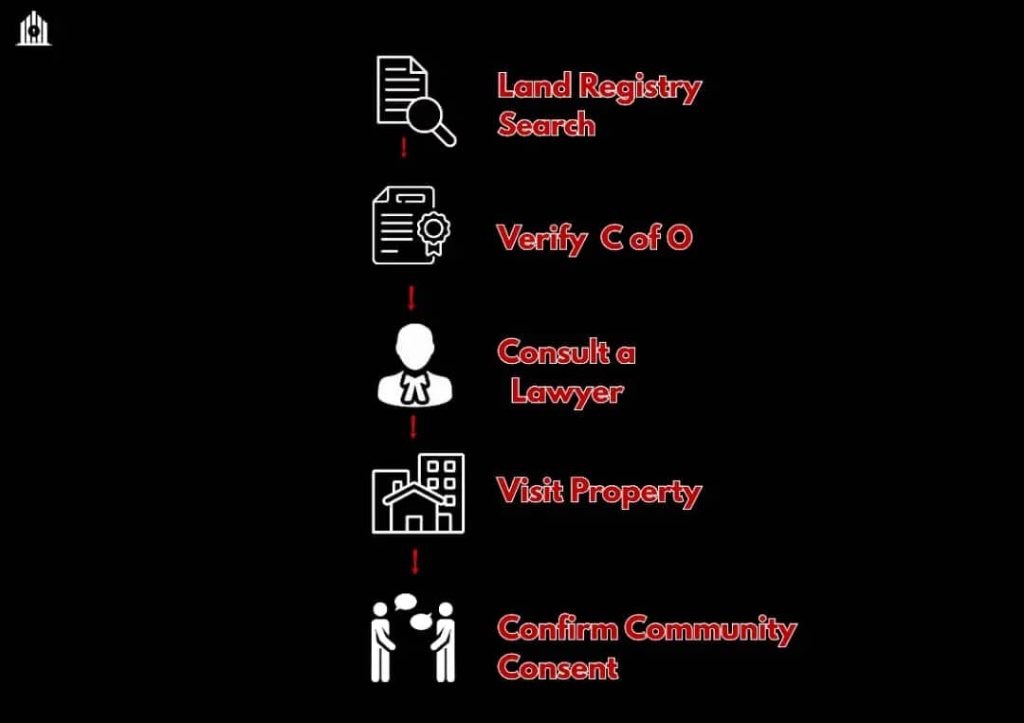
Every genuine property must have verifiable documents that speak to the authenticity and ownership of the property. If an agent tries to dissuade you from verifying these documents or say that none of these documents exist and yet the property is genuine, it is a huge red flag.
The most common legitimate titles in Nigeria include:
- Certificate of Occupancy (C of O)
- Deed of Assignment
- Survey plan
- Governor’s consent
Visit your state’s land registry, for instance, Abuja Geographic Information System (AGIS) to confirm if the property truly exists, who owns it, and whether it is under any government acquisition.
Pro tip: Never rely on photocopies alone. Request for the original documents and verify their reference number directly with the issuing authority.
2. Confirm the Sellers Identity and Ownership
One of the commonest ways buyers in Nigeria have been scammed of their money, is buying lands from “family representatives” who sell land that is not their own. To avoid this, always confirm:
- The seller’s full name and ID
- Proof of ownership (title deed or Power of Attorney)
- Consent from all legitimate owners (if it’s family land)
If the seller refuses to let you verify or claims that “there’s no time” or “other people want to buy it immediately”, then that’s probably your cue to walk away.
(See also: How to Check If a Property Title is Genuine in Nigeria- Nigerian Finder)
3. Conduct a Physical Site Inspection
Pictures can lie. That “beautiful fenced plot with Italian gate” online can actually be government land or even someone else’s property. In 2025, one of the best ways to lure people into scams is to present a false reality of something beautiful online. Some of these lands may not exist in the location marketed to you and some of them may have been developed and a “family man with his 3 kids” may already be living there. Before paying:
- Visit the site physically
- Ask neighbors who the real owner is
- Check for signs of disputes, occupants or “Not for Sale” warnings.
Many people have learned the hard way that a 15-minute inspection could have saved them millions of their hard earned money.
4. Verify the Survey Plan Thoroughly
The survey plan shows the exact location and size of the property. Sometimes, fake agents forge this document with coordinates from another property.
To verify it:
- Visit the Office of the Surveyor-General in your state
- Compare the coordinates in the document with what’s on the ground.
(Read more: What You Should Know About Survey Plan in Nigeria – Affable Homes)
5. Understand the Zoning and Land Use Purpose
Not every plot of land can be used for housing or business. Some are strictly for agriculture or government development. Buying a piece of land whose land use is for commercial purposes and then building a house on it could later lead to demolition or denial of approval later.
Always confirm the land use zoning with your local urban planning authority.
6. Hire a Verified Land Property Lawyer

If you want to truly avoid real estate scams, one of the biggest hacks is not to skip legal due diligence. You’d never go wrong with hiring a property lawyer for your real estate investments. A property lawyer will:
- Verify the authenticity of documents
- Draft and review contracts
- Ensure proper title transfer
Avoid any agent who tries to convince you that you do not need a lawyer or that whatever he/she tells you is the “truth”. That’s usually a talking red flag.
(See what Apex Chambers has to say about Why You Need a Property Lawyer When Buying Land in Nigeria)
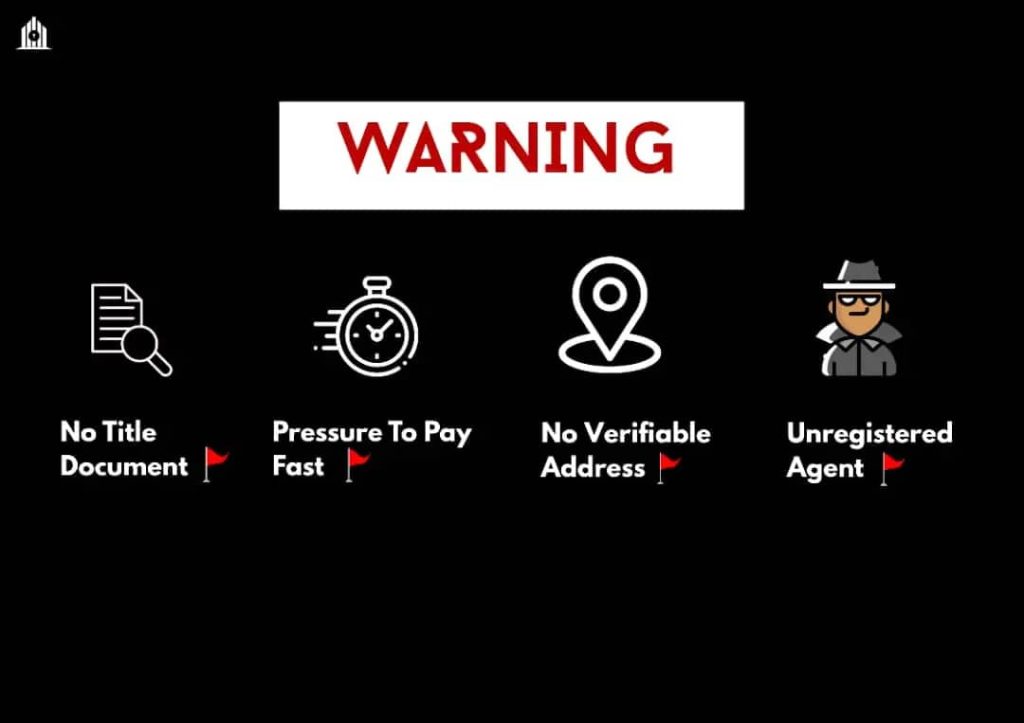
7. Watch out for These Red Flags
Even the most salivating offers can be traps sometimes. Here are a few other warning signs that a deal might be fake:
- Price is far below market price (sometimes if it seems to go to be true, it’s because it is)
- Agents refuse to issue receipts or written agreement
- No traceable office address of the agent/seller
- Pressure to “pay before inspection”
- Unclear or incomplete documentation
How To Safely Invest in Real Estate in Nigeria
Once you’ve verified the property, it’s time to invest confidently. Here’s how:
1. Start with verified listings from trusted companies like The Property Garage.
2. Ask for due diligence reports before you pay.
3. Avoid cash payments; use traceable bank transfers only.
4. Work with professionals (agents, lawyers, and surveyors) you can verify.
5. Stay informed with resources like The Property Garage Blog, market reports, open houses, etc.
Why This Matters and How The Property Garage Helps
Real estate scams cost Nigerians and diaspora investors millions. However, most scams are avoidable with simple checks and the right partners. That’s where The Property Garage comes in:
- We run title verification and Land Registry searches.
- We commission independent surveyors and confirm boundaries.
- We connect you to verified lawyers for Governor’s Consent and contract drafting.
- We offer escrow-like payment guidance and manage inspections for buyers abroad.
Secure Your Investment with The Property Garage
Buying genuine property in Nigeria isn’t luck, it’s knowledge. At The Property Garage, we help Nigerians and diaspora investors verify documents, inspect sites, and work only with trusted professionals.
From land title verification to legal documentation and escrow-like payment support, we make every step safe and transparent.
Because in real estate, peace of mind is the best return on investment.
(Learn more at www.thepropertygarage.com)